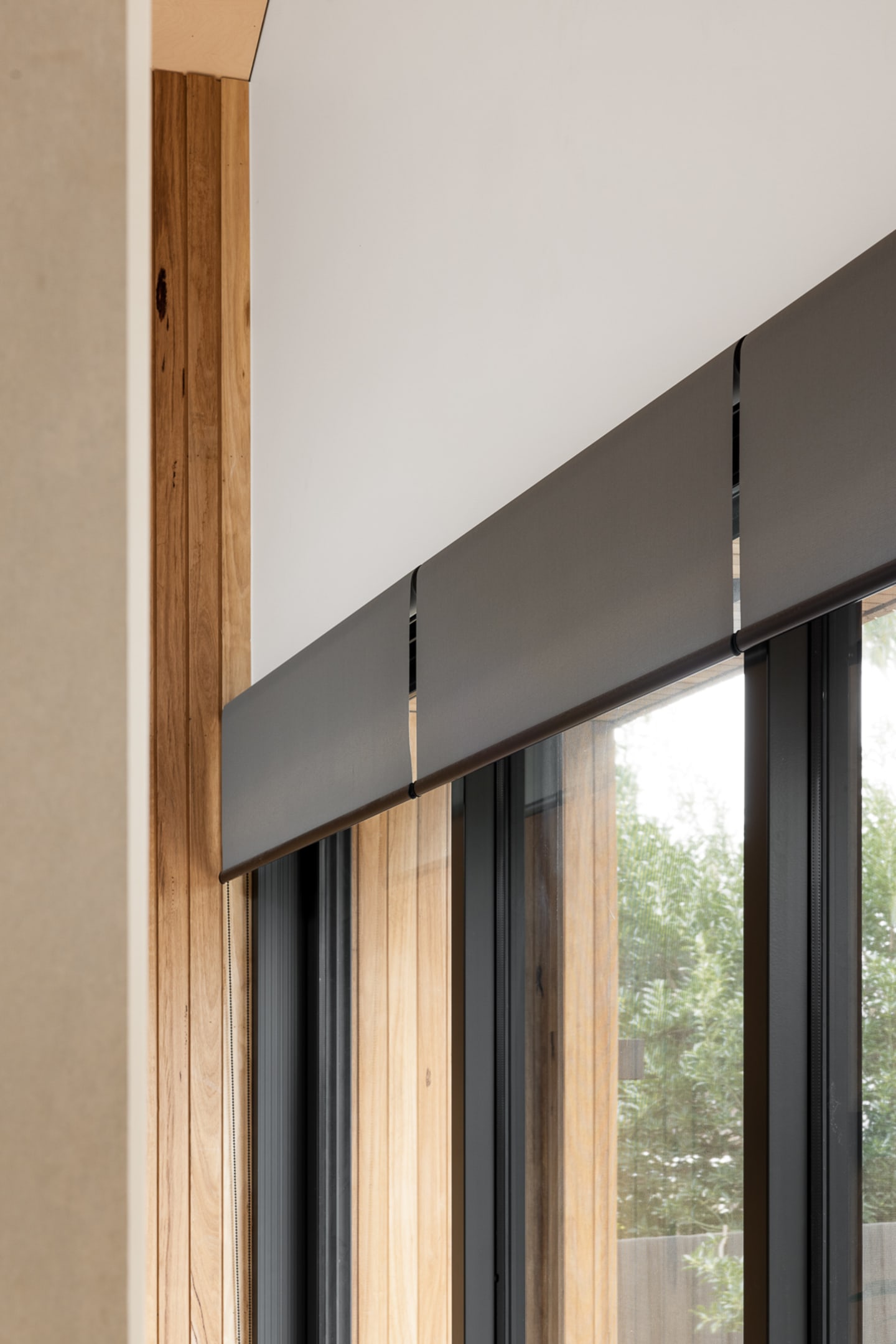
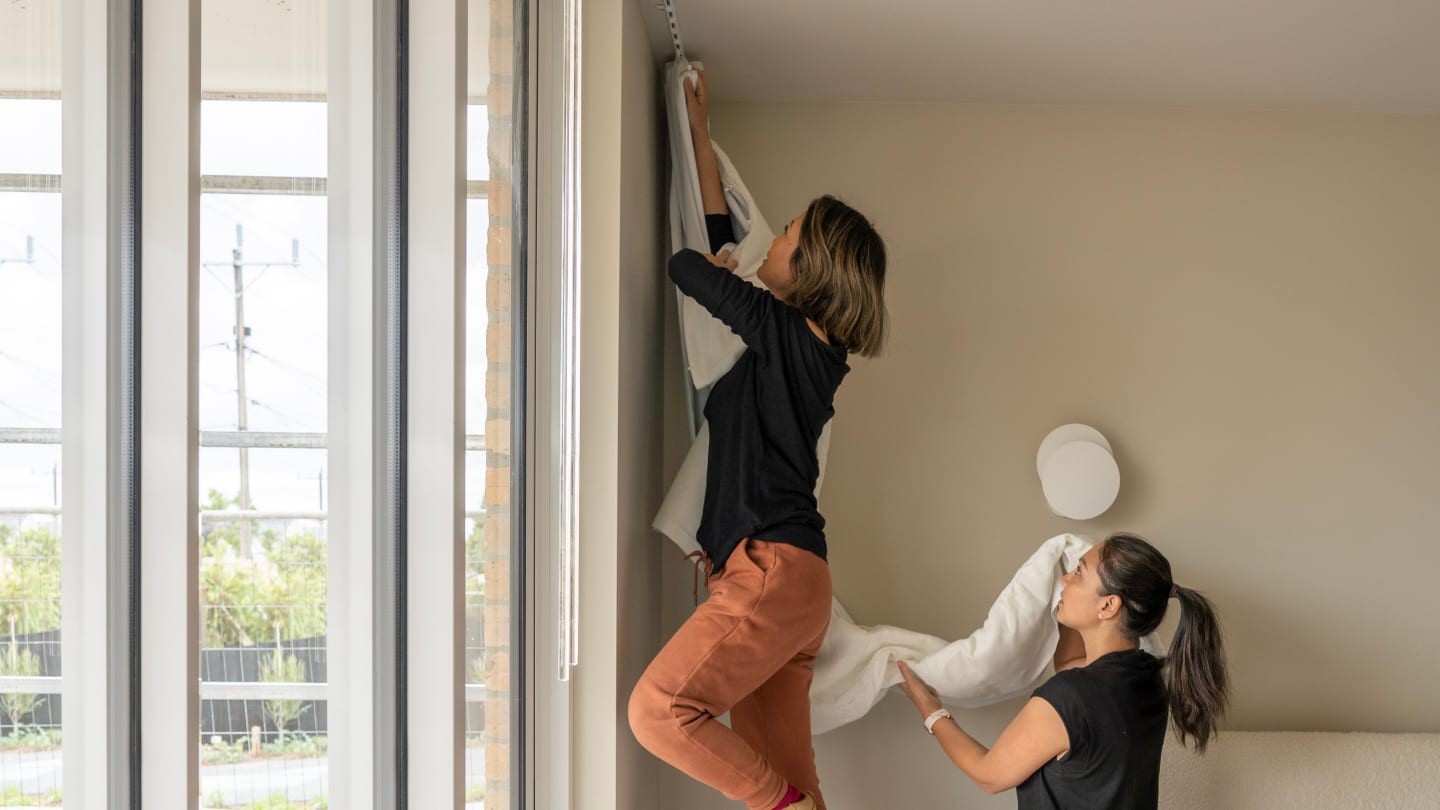
What you’ll need to measure

1-2 people

Less than 5 minutes
Tools
- your step ladder
- a pen and some paper
- your tape measure (metal is best)
Before you get going
This is where the fun starts! If you’ve already landed on the perfect fit for your windows or doors, then you're good to go. Otherwise don't stress, we'll walk you through the design options below.
It's completely up to you, how you configure your linked blinds. See control options below.
Our blinds attach to most surfaces, though it's always best to do your homework. Wooden window and door frames and wall studs are by far the easiest to attach to.
These effortless blinds don't use chains. They look great, are child safe and super accessible.
Designing your dream blinds
The fun starts with designing how your blinds will fit, so channel your inner stylist and get creative! This is about finding your dream look and getting custom blinds that fit and function perfectly.
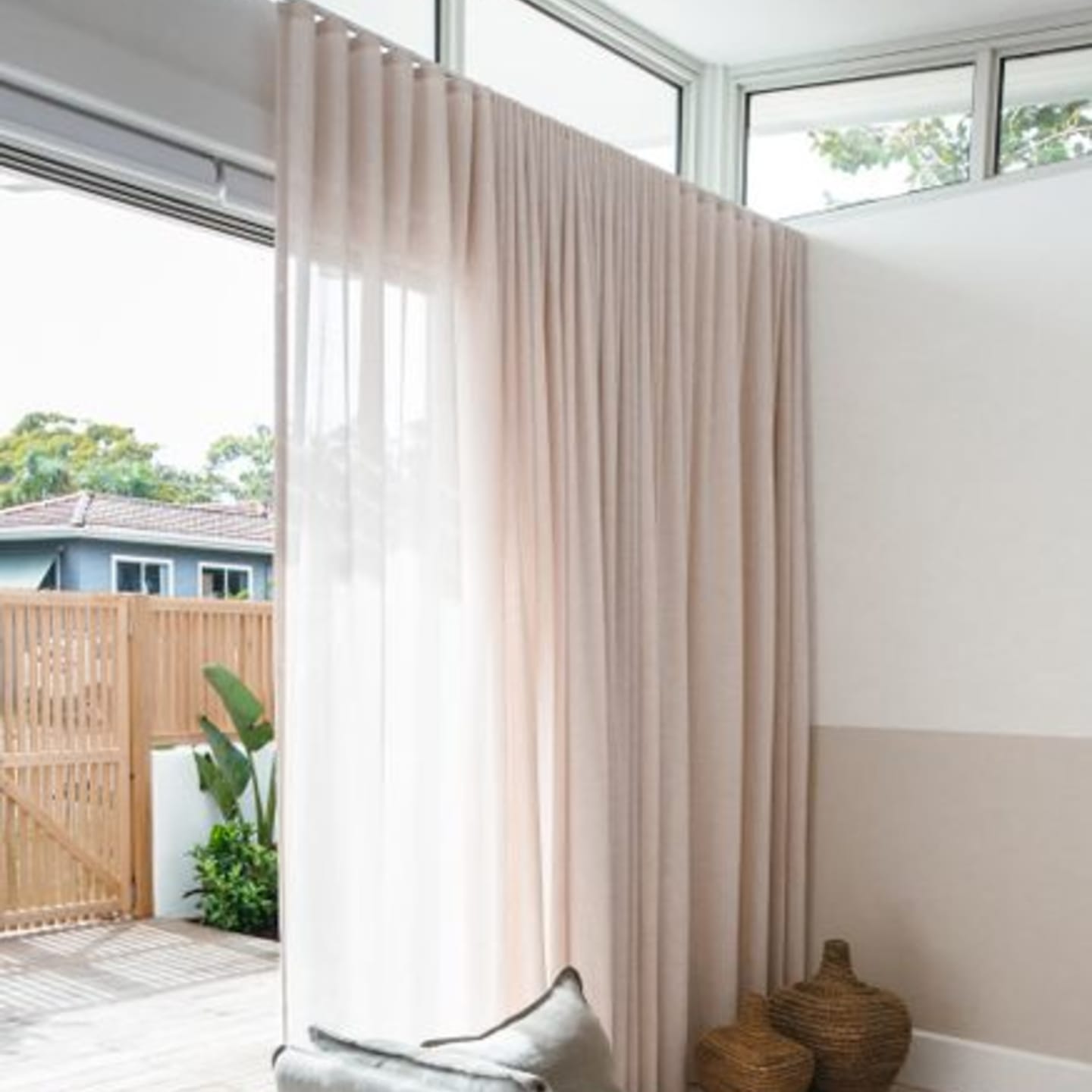
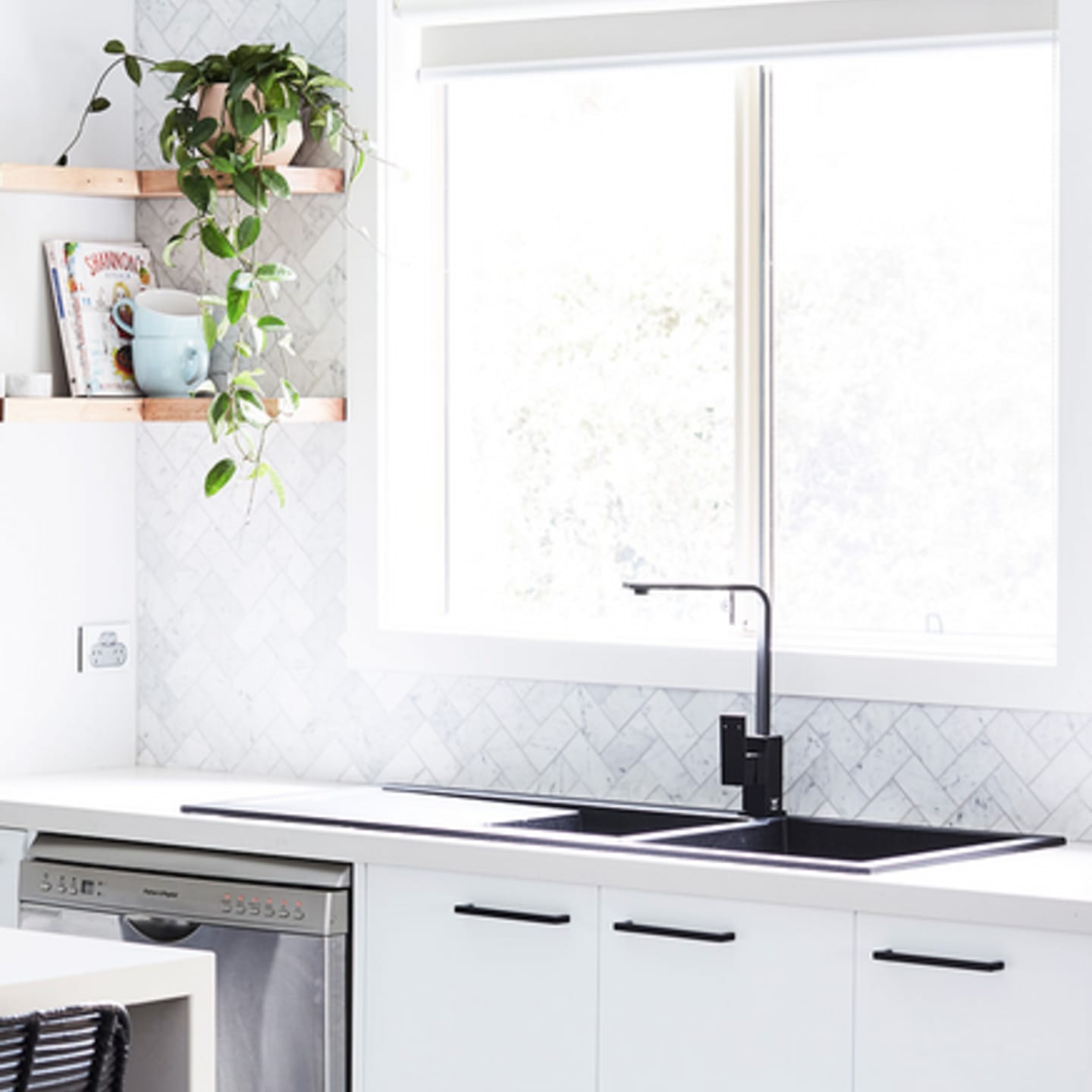
Blinds that sit outside the frame are called face fit
OK it's time to start measuring, let's take it step by step.
Measuring up is easy; we just need to know three things: your width and your drop measurements, and the width of each blind panel in your layout. Here's how to do it:
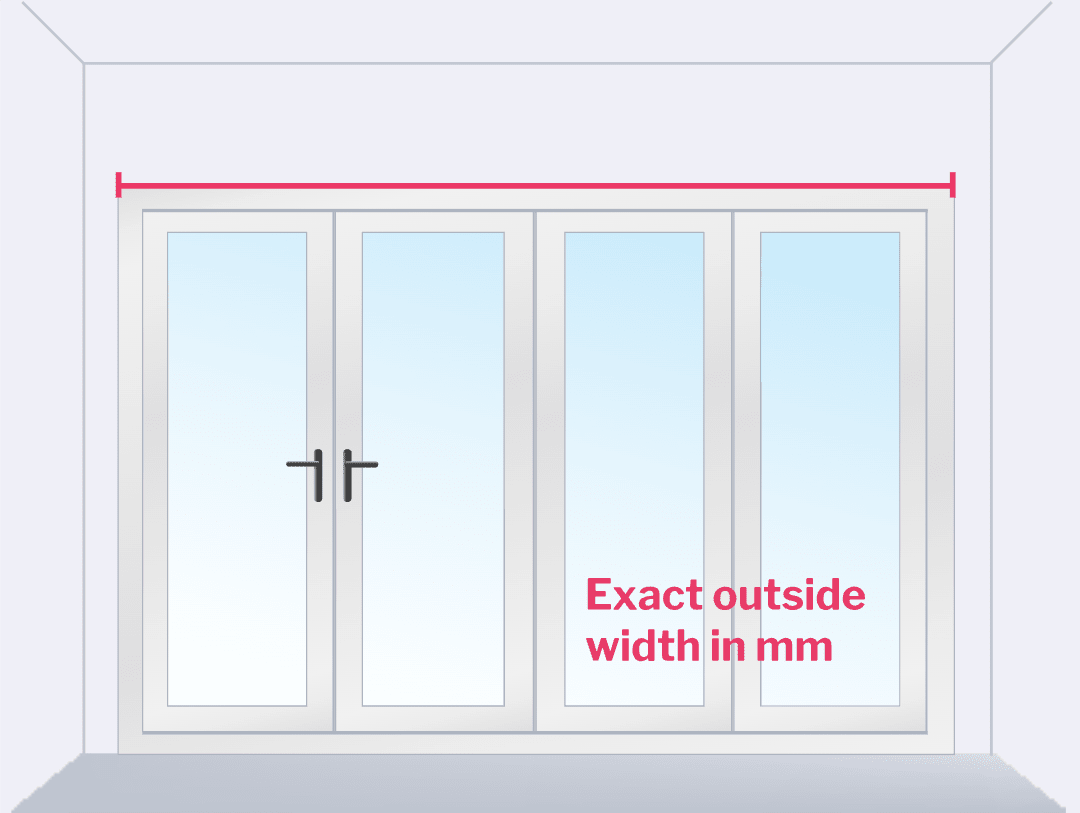
Measure your total width
Measure the exact outside width of your window or door frame across the top, and write it down. This measurement will be the total width span of your linked blinds, from end bracket to end bracket.
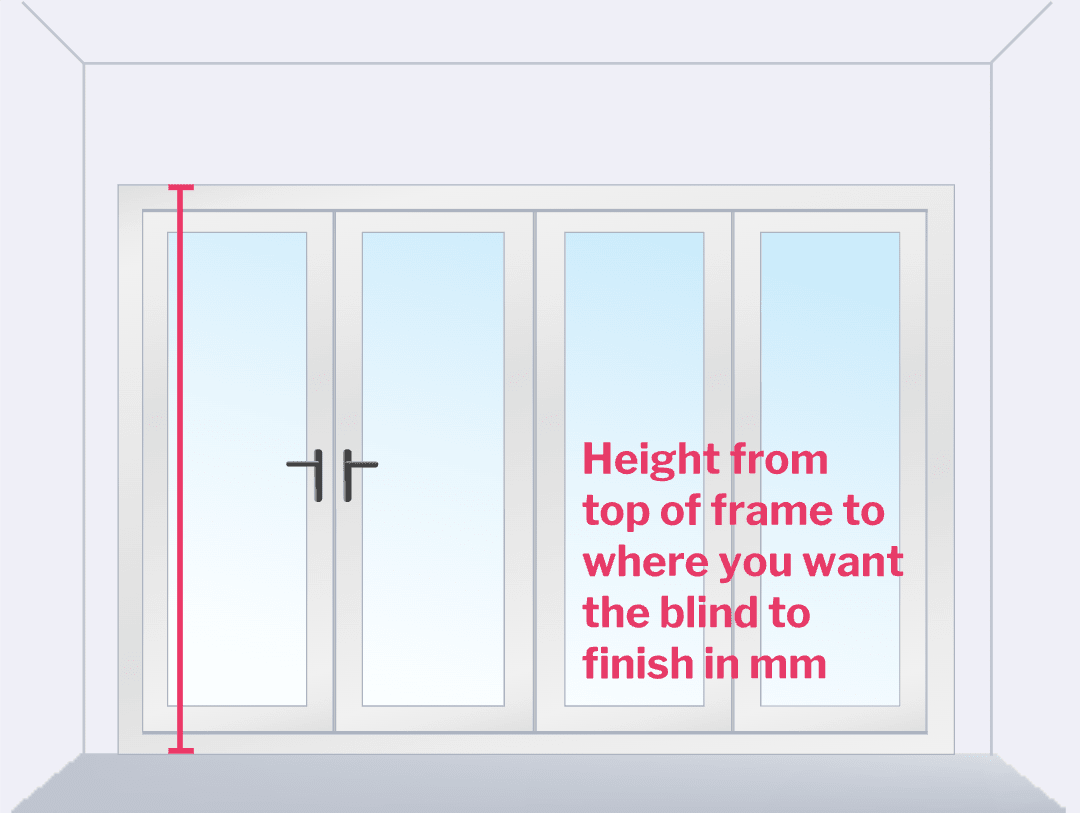
Measure your drop
Measure the height of your window or door frame from the top of the frame down to where you’d like the blind to finish, and write it down. This may be at the bottom of the frame, just above the floor, or to match up with other blinds in your room.
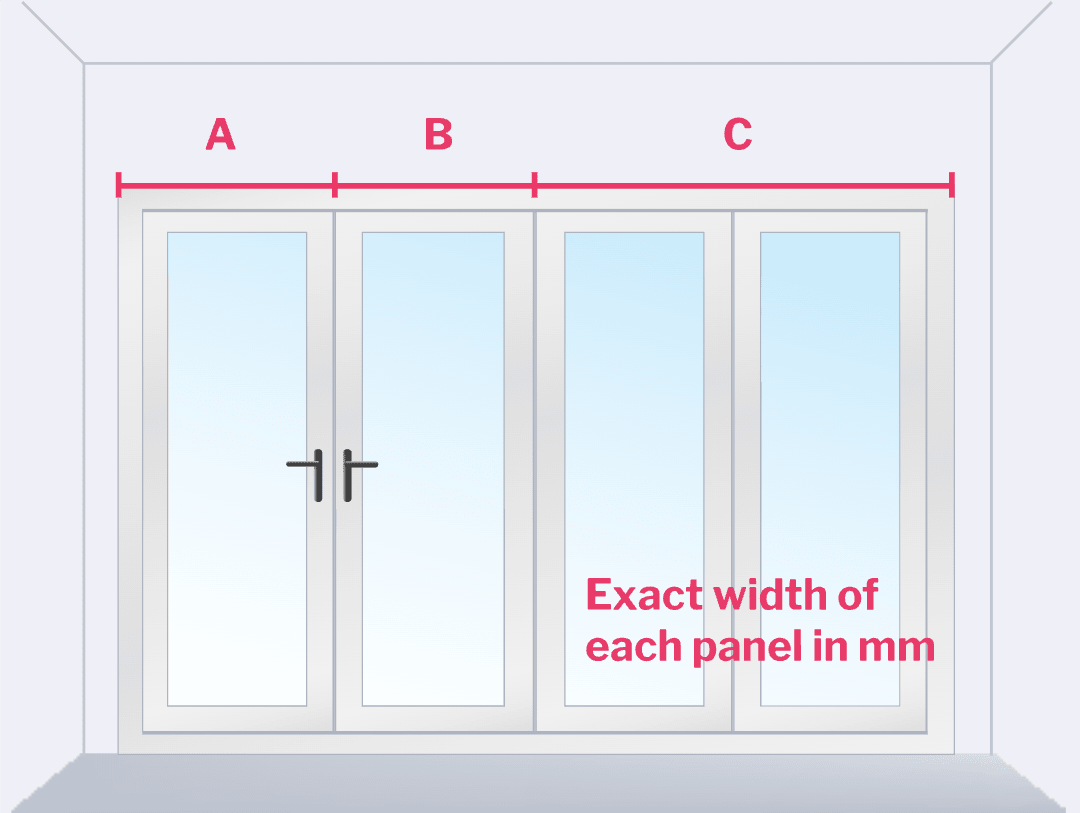
Measure your panels
Measure the exact width of each panel, starting from the left outside edge of your window or door frame to where the first panel ends, and write it down. Try to line up the panel with the midpoint of mullions. This will be your panel bracket to bracket width. Don't make deductions, we'll do it for you to get a perfect fit.
Repeat for each panel, working your way across your window or doors from left to right. The sum of all your panel widths, needs to be the same as your total width span.
Order your custom linked blinds online
You're all set to order your linked blinds!
Blinds that sit outside a frameless window or doors are called face fit square set
OK it's time to start measuring, let's take it step by step.
Measuring up is easy; we just need to know three things: your width and your drop measurements, and the width of each blind panel in your layout. Here's how to do it:
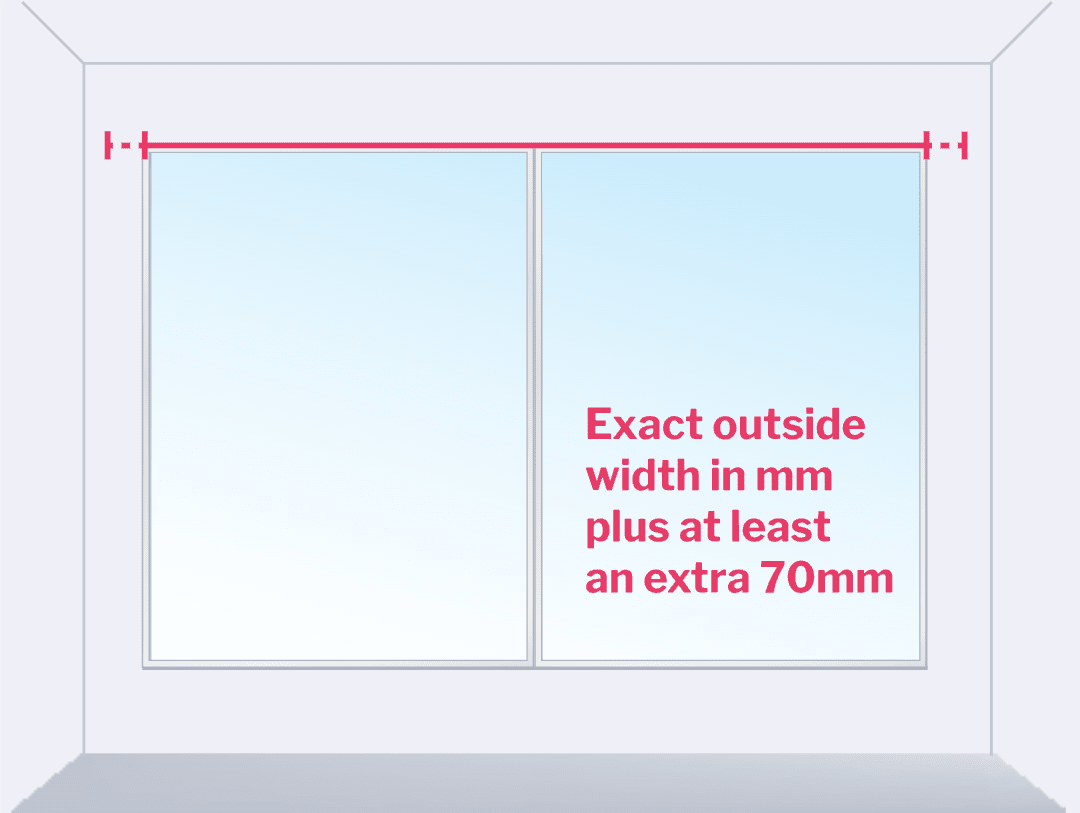
Measure your width
Measure the exact outside width of your window or doors across the top, and write it down.
Then add at least 70 mm, to get the total width span of your linked blinds from end bracket to end bracket. This extra means no light will seep in at each end.
Example: your window width measures 1810 mm. You'll add 70 mm, and then give us 1880 mm.
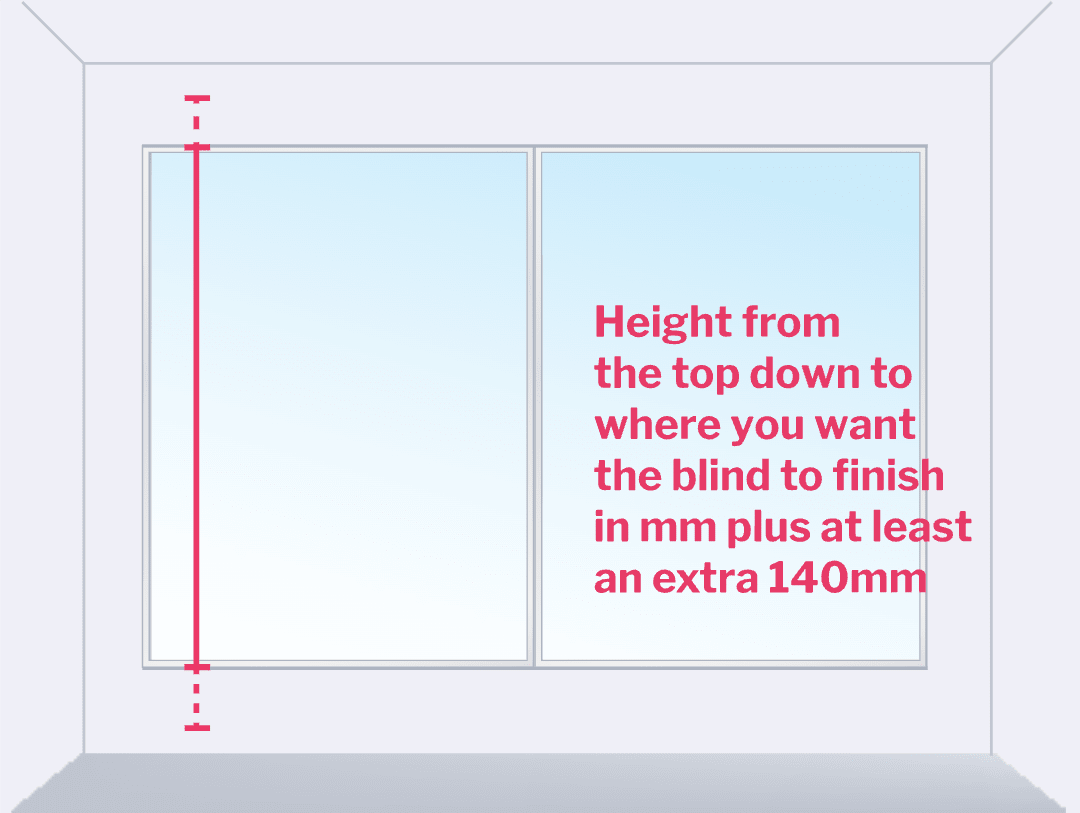
Measure your drop
Measure the height of the window or doors from the top down to where you’d like your blind to finish. This may be at the bottom of the window, just above the floor, or to match other blinds in your room.
Then add at least 70 mm both top and bottom to stop light seeping in. - Example: the drop you'd like measures 1200 mm. You'll add 70 mm top and bottom, and then write down 1340 mm.
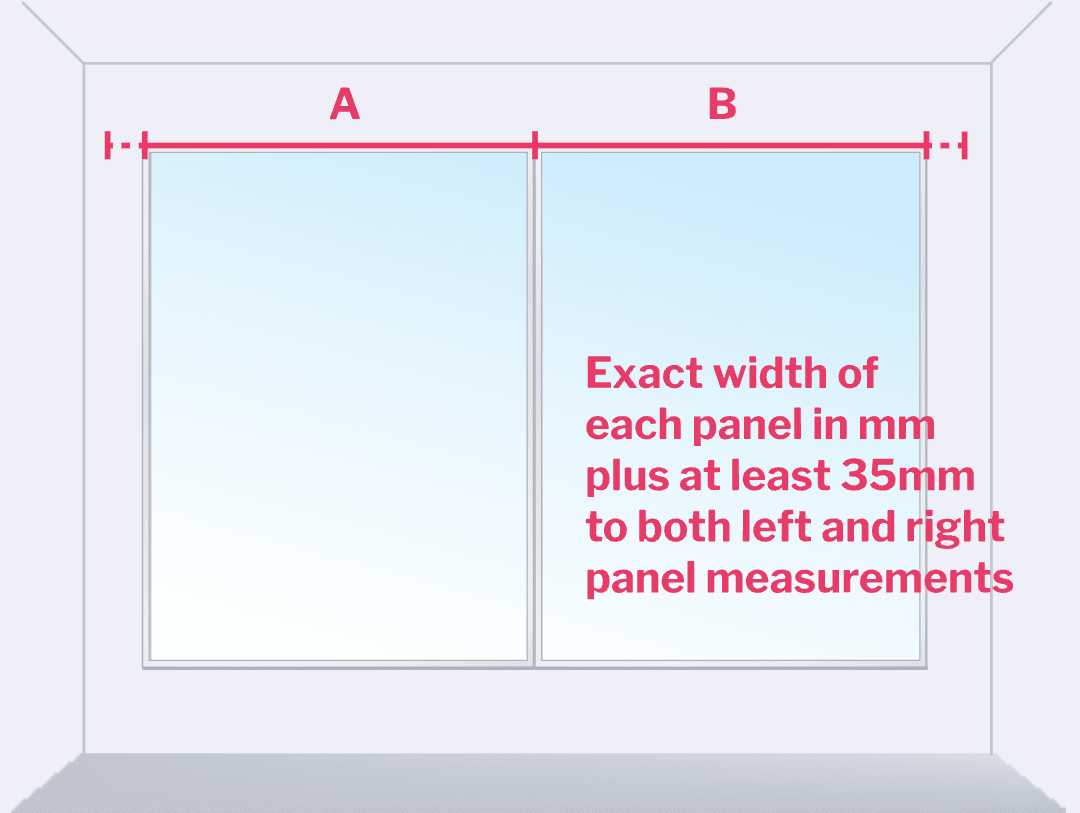
Measure your panels
Measure the exact width of each panel, starting from the left outside edge of your window or doors to where the first panel ends, and write it down. Try to line up the panel with the midpoint of mullions. This will be your panel bracket to bracket width.
Repeat for each panel, working your way across your window or doors from left to right. Don't make deductions, we'll do it for you to get a perfect fit.
Then add at least 35 mm to both left and right panel measurements, to stop light seeping in down the far left and right sides. The sum of all your panel widths, needs to be the same as your total width span.
Order your custom linked blinds online
You're all set to place your order!
Blinds that sit inside the frame are called recess fit
OK it's time to start measuring, let's take it step by step.
Measuring up is easy; we just need to know five things - your depth, your total width, your drop, the width of each blind panel in your layout and any minor obstructions. Here's how to do it:
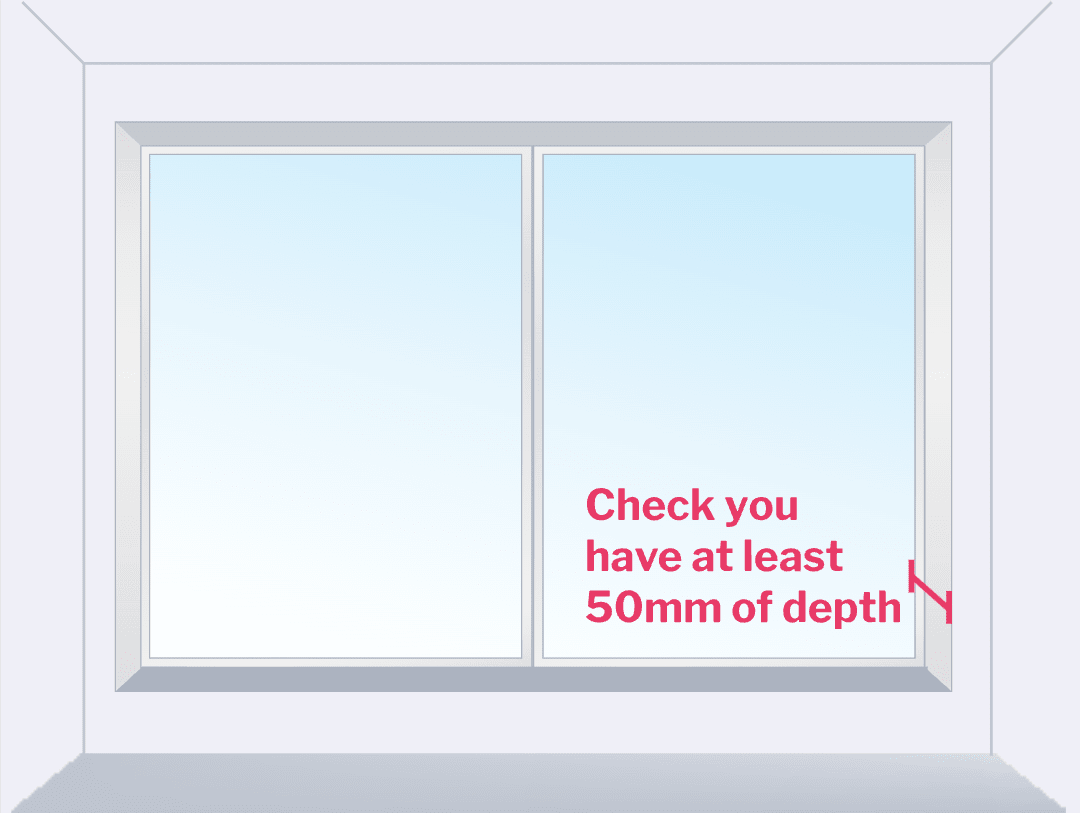
Check your depth
Check that you have at least 50 mm of depth between the glass in your window or door and the edge of the window or door frame. This is so there's enough space for your roller blinds to fit neatly inside your frame.
Make a note of any obstructions and remember they should be minimal. You'll add the note into the 'Order Instructions' section at checkout.
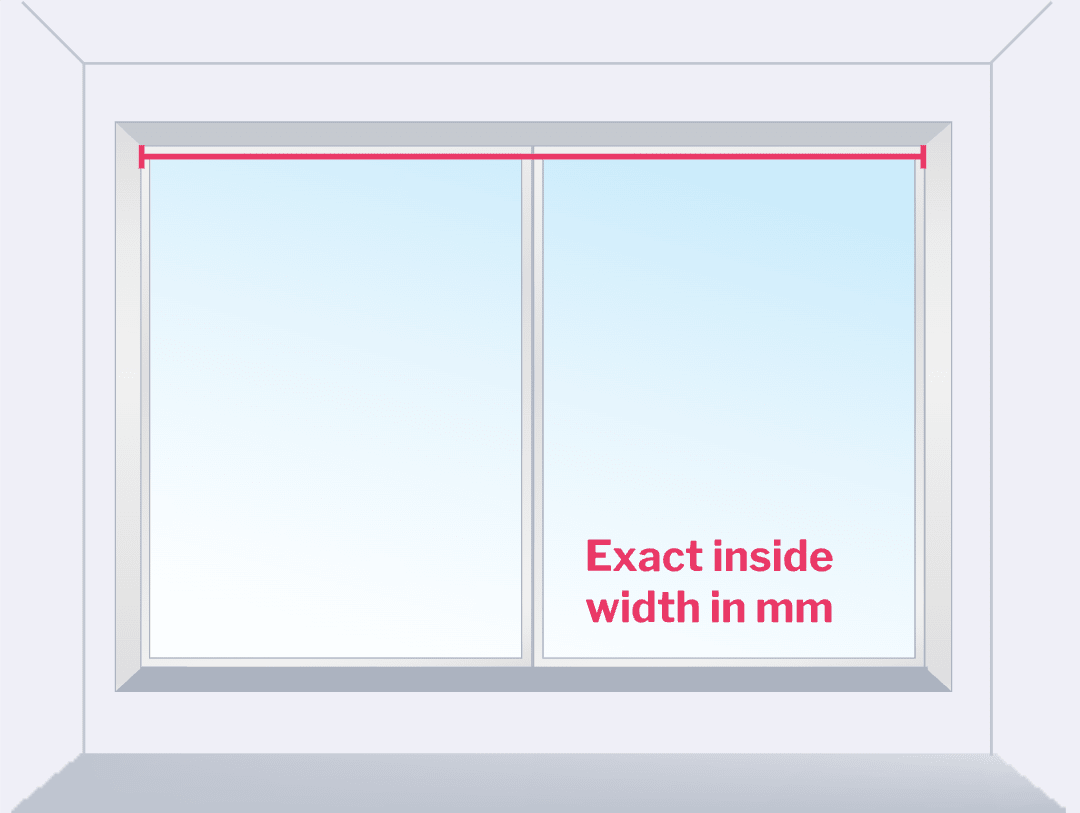
Measure your total width
Measure the exact inside width of the window or door frame across the top, and write it down. This measurement will be the total width span of your linked blinds, from end bracket to end bracket. Don't make any deductions, we'll do it for you to get a perfect fit.
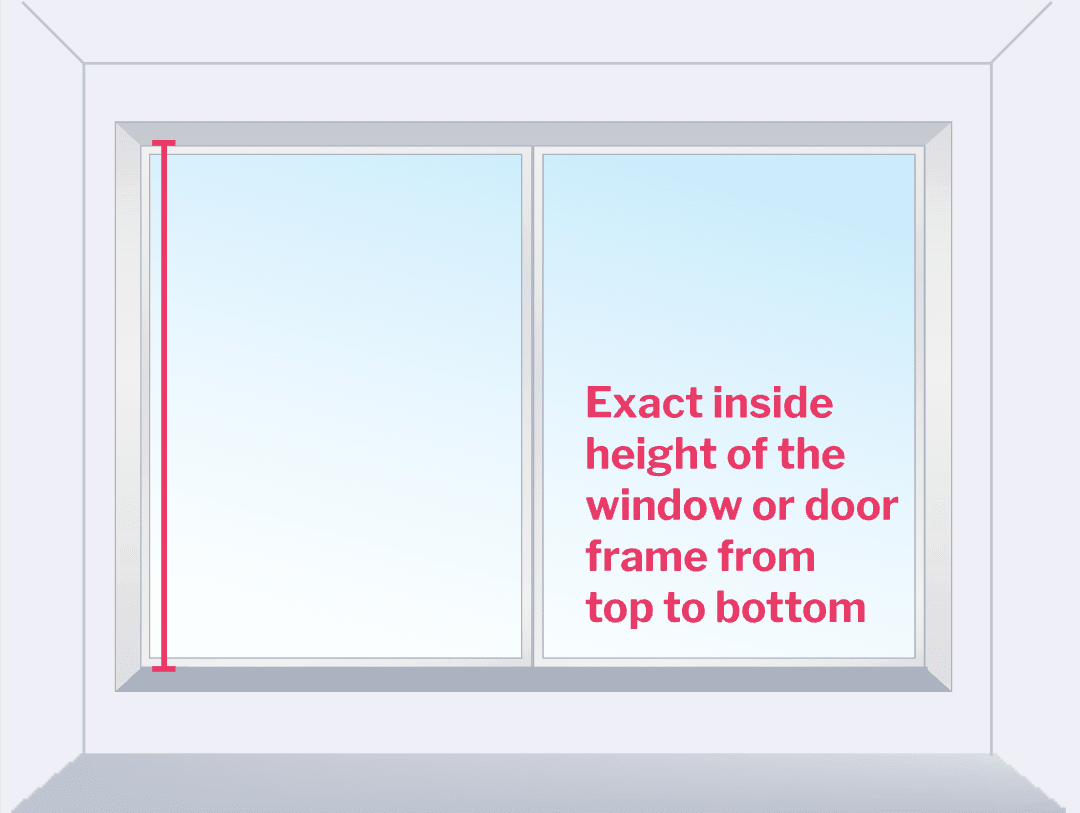
Measure your drop
Measure the exact inside height of the window or door frame from top to bottom, and write it down. When your blind is rolled down, it will sit flush against the bottom of the frame.
If you want your blind to finish at the floor, measure from the inside of your window or door frame at the top, down to your floor.
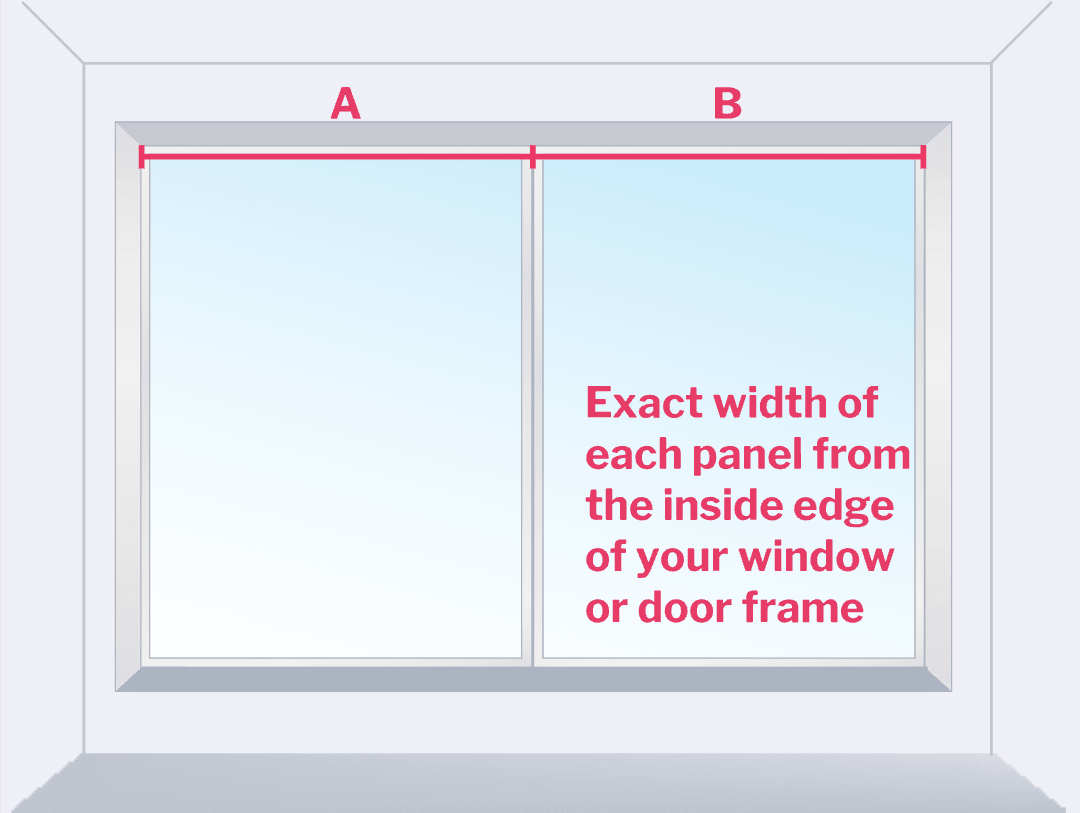
Measure your panels
Choose the panel layout and control option you'd like, using the guide at the bottom of this page.
Measure the exact width of each panel, starting from the left inside edge of your window or door frame to where the first panel ends, and write it down. Try to line up the panel with the midpoint of mullions. This will be your panel bracket to bracket width. Don't make deductions, we'll do it for you to get a perfect fit.
Repeat for each panel, working your way across your window or doors from left to right. The sum of all your panel widths, needs to be the same as your total width span.
Order your blinds online!
You're all set to place your order!
Our hints and tips
Want to know our top tips for measuring up like a pro?
Give us your measurements in millimetres (mm)
Double check all of your measurements before you order
Always write down 'width' and 'drop' next to your measurements, so you don't reverse them by accident!
Label each panel you measure with left panel, middle panel, right panel, so you don't mix them up.
Only give us the exact measurements we ask for. Our team custom makes your blinds to fit your windows and doors. They make standard deductions to account for your brackets, so you don't have to.
Measure every window and door. The beauty of each house is that each window and door may have slight variations in size, and we want all your blinds to fit perfectly.
Layout guide
Choose the best layout for your space and check how many panels your total width span will allow. To pick the perfect drive option, think about access to your doors or windows, which side is easiest to reach and obstruction free and where the chain will be least visible.
Use the layout guide below.
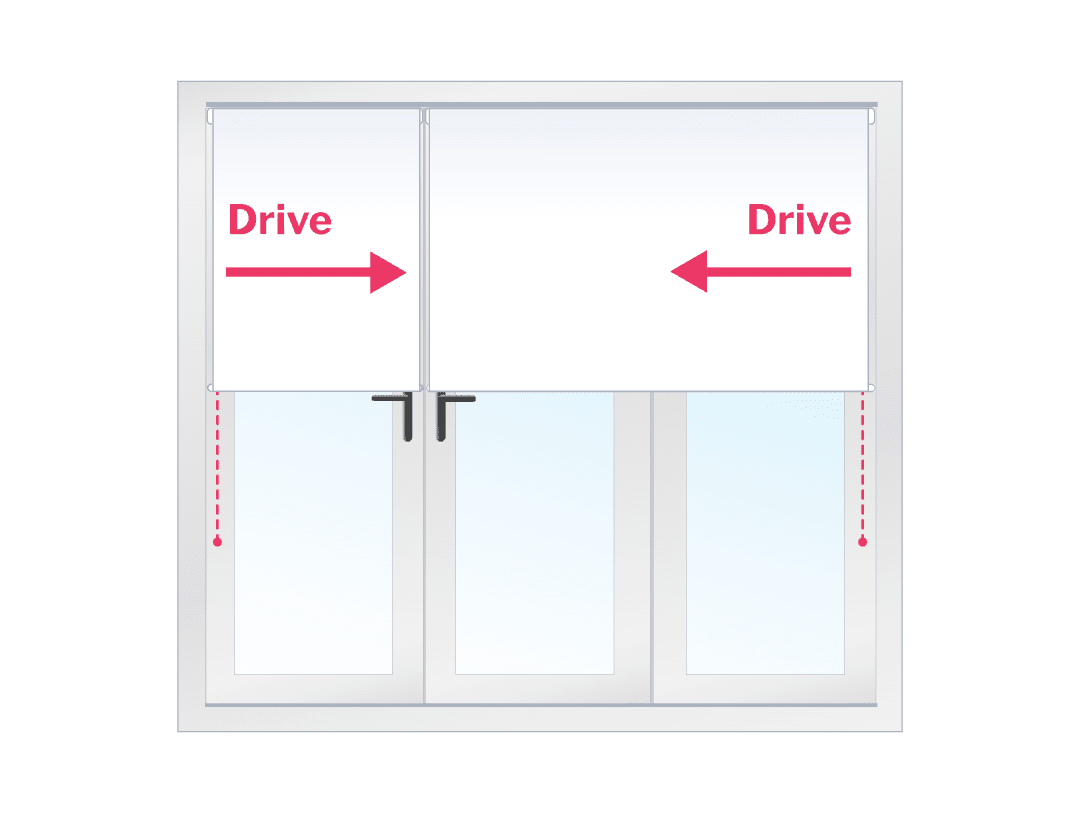
Dual control
Choose two panels and customise your widths. A drive on each side, blinds work independently.
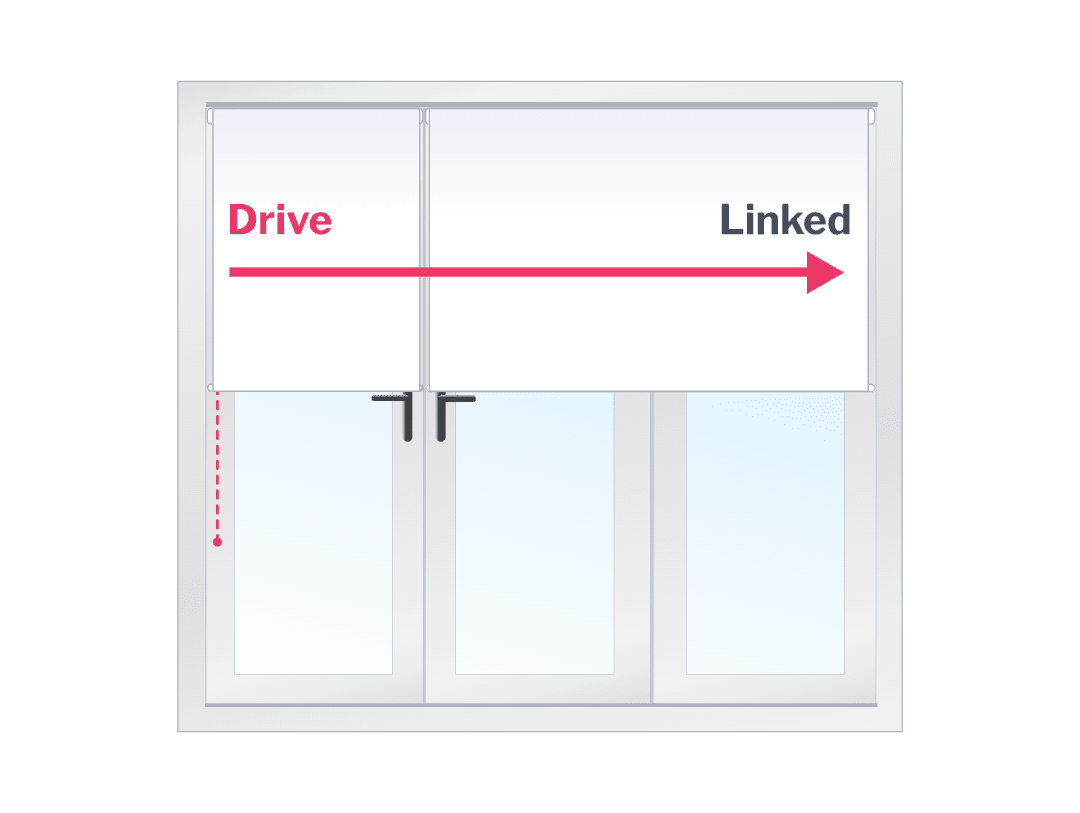
Left single control
Choose two panels and customise your widths. A drive on left side controls both blinds.
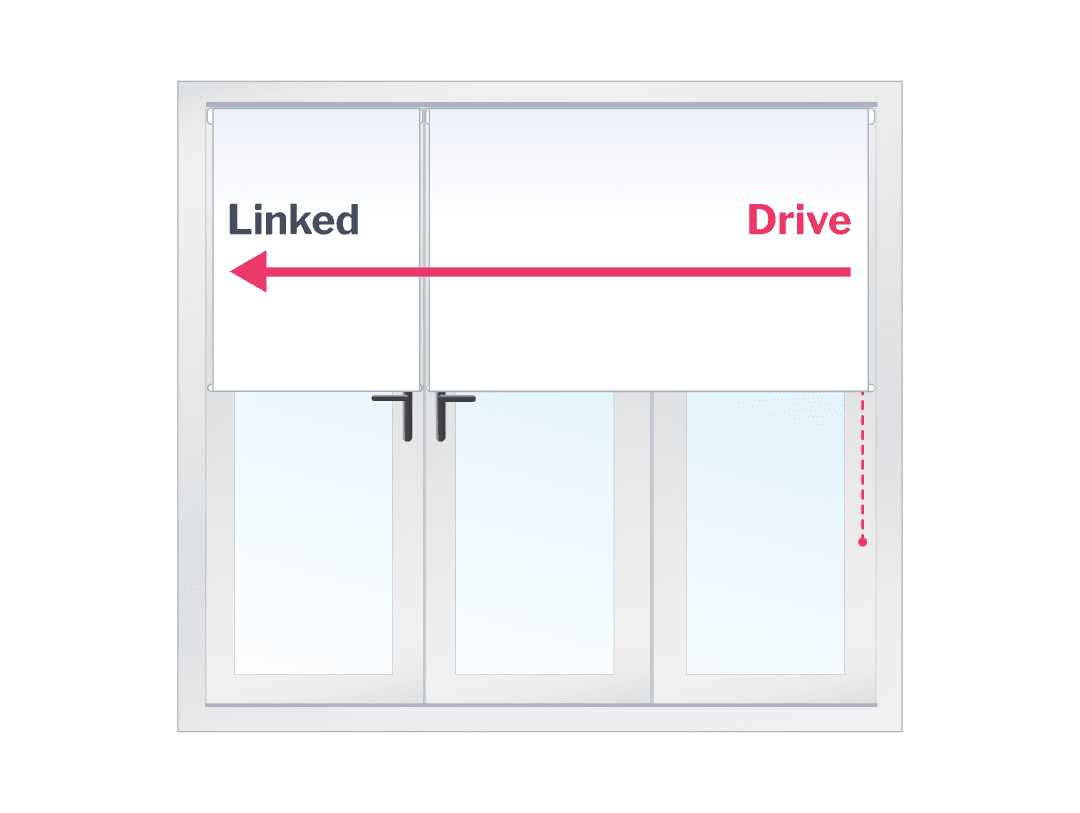
Right single control
Choose two panels and customise your widths. A drive on right side controls both blinds.
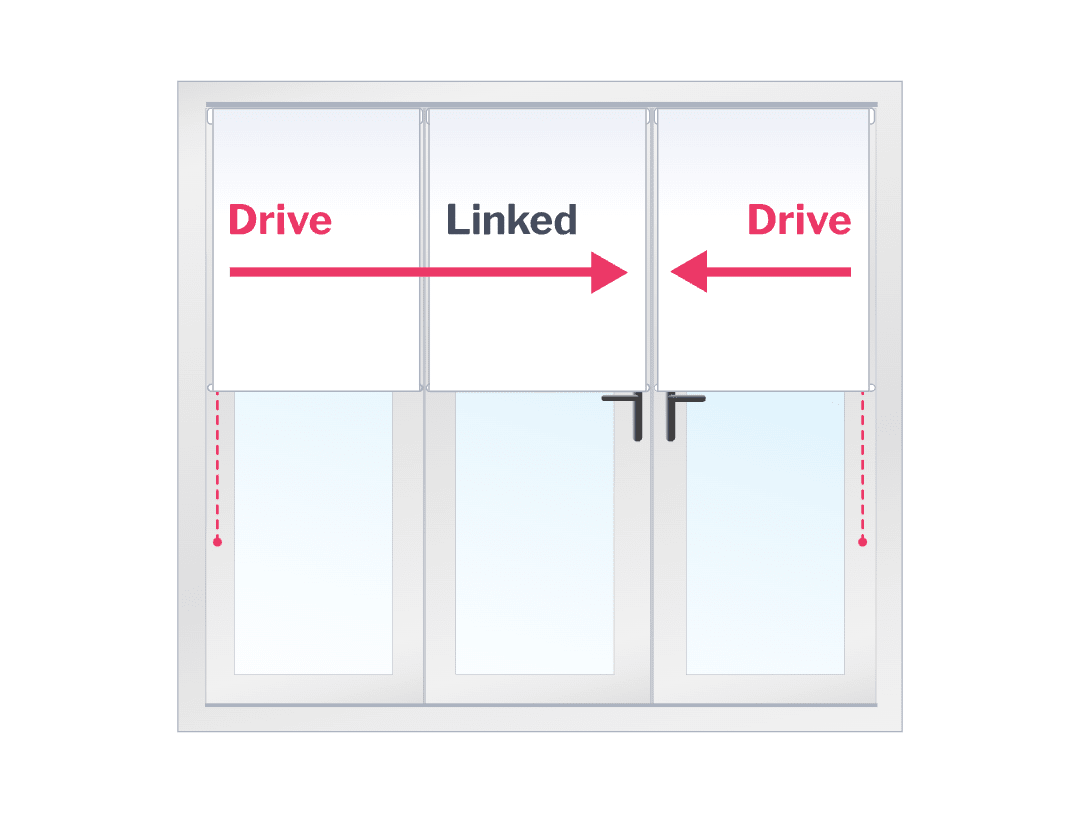
Dual control, left linked
Choose three panels and customise your widths. Left drive controls left and middle blinds, right drive controls right blind.
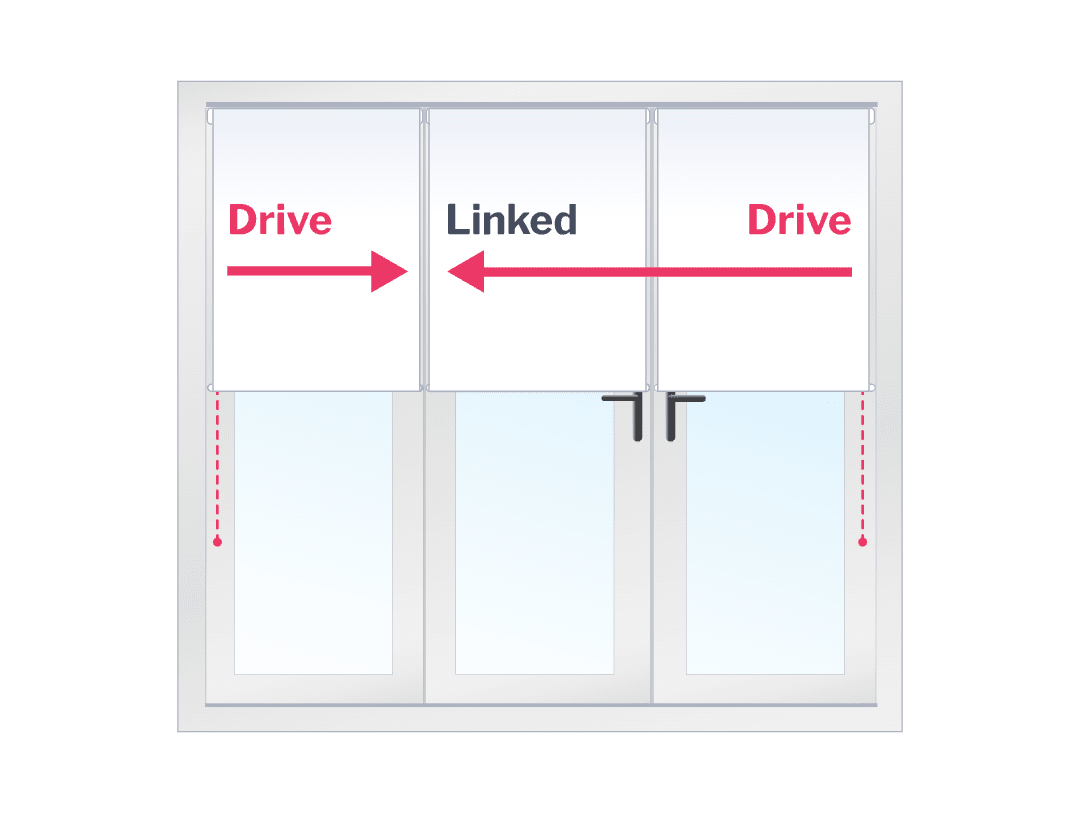
Dual control, right linked
Choose three panels and customise your widths. Right drive controls right and middle blinds, left drive controls left blind.
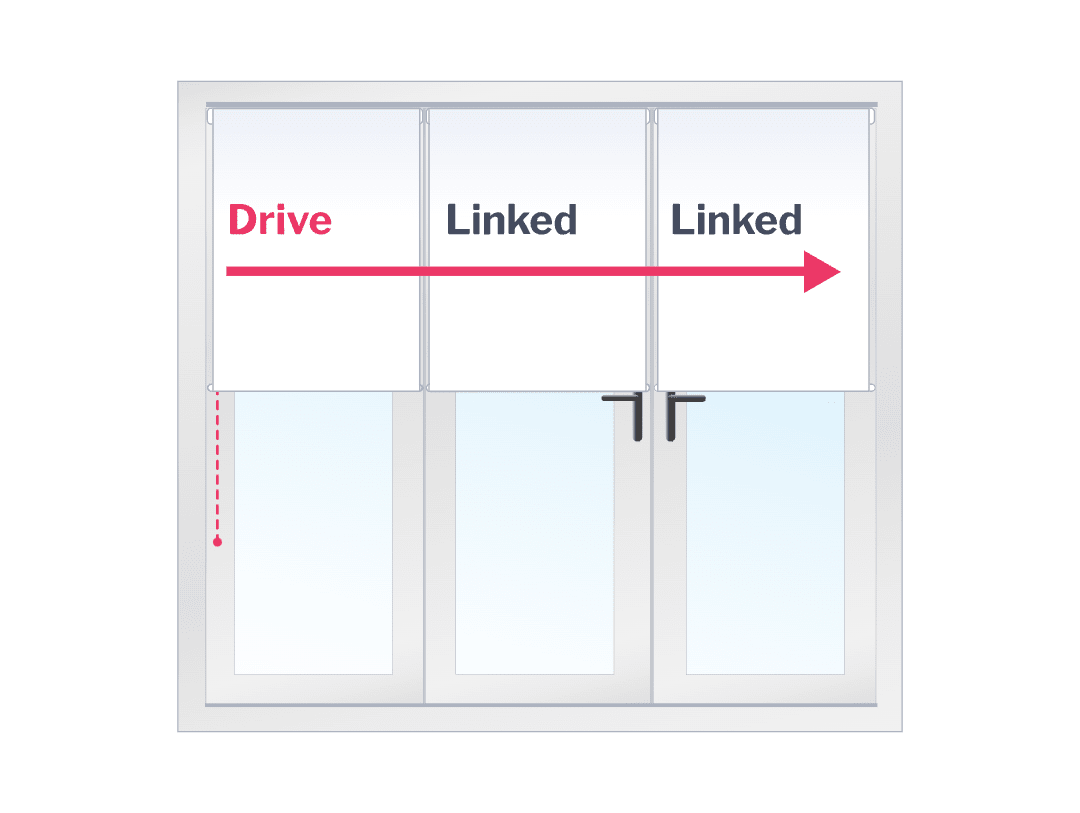
Left linked
Choose three panels and customise your widths. Left drive controls all three blinds.
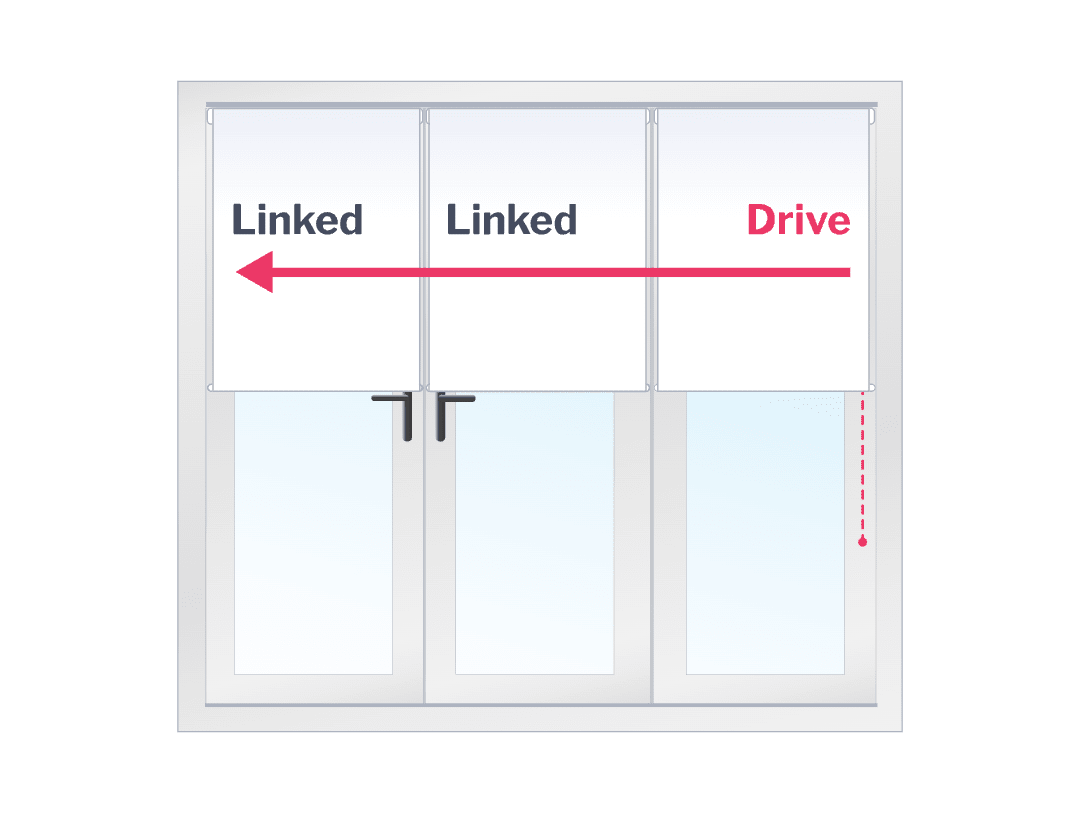
Right linked
Choose three panels and customise your widths. Right drive controls all three blinds.
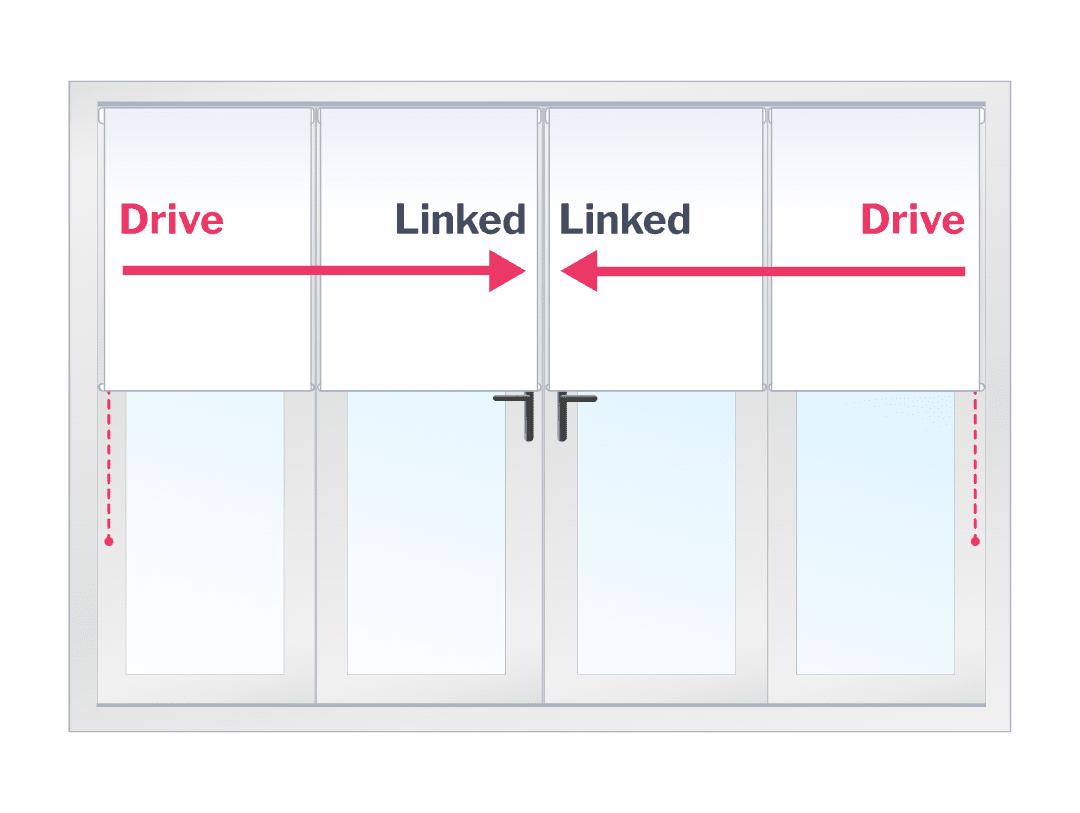
Dual control, dual linked
Choose four panels and customise your widths. A drive on each side controls two blinds.
Ready to install?
How to install linked roller blinds
View step by step guide for how to install linked roller blinds here